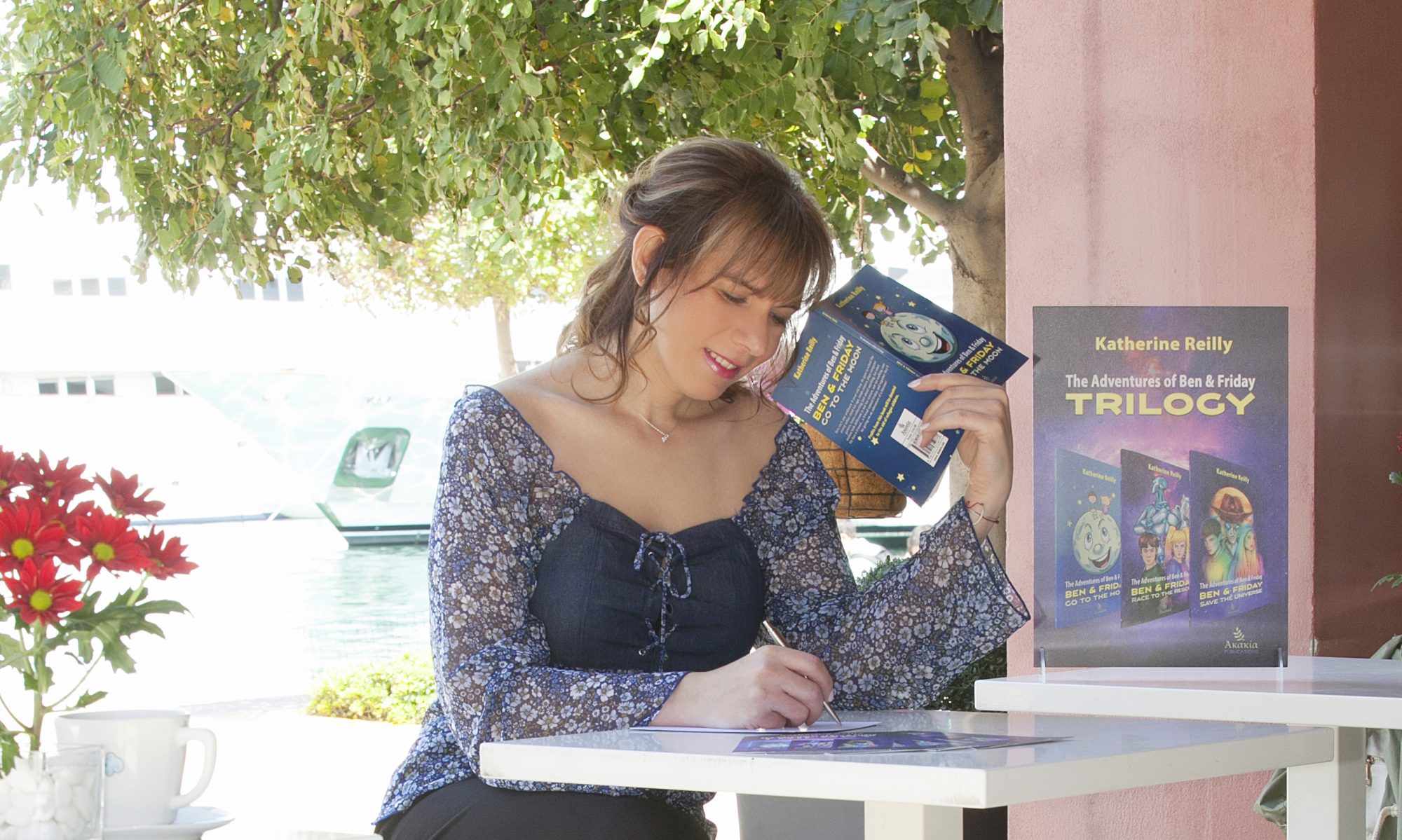

by Katherine Reilly, ELT Author & Teacher Trainer
As the school year neared its end, my younglings burst into the classroom, sweaty and exhaling heavily after playing under the warm early June sun.
“How was your break?” I teased them, fully aware that their minds were now preoccupied with games and laughter. In all honesty, whose weren’t? Summer was just upon us and we were well into the final lessons of the year.
It was now time for my students to demonstrate how well they had become accustomed to taking the initiative in class. Not an easy endeavour, mind you, but one worth striving for.
“Here we go! The following text is about recycling. Any preference on how to work on it?” I asked.
“We could do a role play like last time!” Jessie exclaimed.
“Yeah! And Jason could play the old man again. He’s so funny in his interpretations,” Mary giggled.
“I only wish! The text is an article. No dialogue.” Jason noted.
“Well, that never held you back,” I commented, indirectly triggering them into doing it.
Soon enough, my kids automatically split into groups. After reading the text, they pulled out their notebooks and started scribbling. To be honest, I was quite intrigued to learn what they were up to.
I then noticed Sophie, ever the introvert sitting idly by. I could tell from the expression on her face that she wanted to contribute, but was not keen on engaging with the others.
“Sophie? What do you think?” I calmy asked.
“There should be one more role. A culprit who causes a mess,” she whispered softly.
“Oh, that’s great! Care to write your idea down and pass it on to the others?” I asked enthusiastically.
Sophie nodded but was hesitant to share her notes. Not out of fear of being ridiculed, rather a feeling of discomfort when socializing.
Jessie, ever observant, caught wind of the situation and was eager to step in and lend a helping hand.
I nodded in approval, knowing she was discreet and supportive. Jessie approached Sophie, who handed her the note.
“Wow! That’s a great idea! You’re really good at writing,” Jessie said.
“Sophie, you can share more notes with the others. You can go with Jessie,” I encouraged her. She smiled and then moved closer to the group.
Within minutes, they designated roles as they adapted the text. I was amazed at their genuine effort to transform an article into a working script for no less than six characters. Mistakes aside, it was both humorous and heart-warming.
“Are you ready?” I eagerly asked.
“Yes! But we have to go outside!” Mary announced.
“Don’t forget your phone, Jason,” Jessie called out as they grabbed their belongings and dashed out of the classroom.
“Now what are they up to?” I wondered as I tried to catch up with them.
To my amazement, my students were setting up a makeshift stage next to a smelly rubbish bin. Trash circled the container, which in all reality was empty – a testament to citizens’ indifference to the cleanliness of our city. To offset the unpleasant setting, my students made good use of modern jargon. Although somewhat overwhelming, their command of such language was exemplary. All hail social media.
I sat back as one student held the script while Jessie used her phone to record a video.
“Ready everyone? Lights! Camera! Action!” Jessie instructed.
“We don’t have any lights…” Jason frowned.
“And you’re holding the camera,” Mary nodded.
“Don’t be obnoxious! It’s a showbiz thing,” Jessie replied.
“Um, sorry to interrupt, but what are you doing?” I curiously asked.
“Miss, isn’t it obvious? We’re making a TikTok video about recycling,” Jessie replied as if my question were off topic.
“And then we’ll mention the benefits of recycling from the text!” Mary added.
“Alright! I’ll be here if you need me,” I said, offering support if needed.
Sure enough, they recorded a five-minute video showcasing the consequences of indifference towards our planet. They played various roles, ranging from the ‘indifferent’ citizen to the ‘avid’ voice of reason. In the end, they brought brooms, rakes, and gloves to clean up the mess – which, of course, they also included in the video, as this generation has a tendency to document everything.
In the end, we had a discussion about the most effective ways of dealing with pollution. We shared ideas, disagreed, and even offered realistic alternatives to ameliorating this issue. One thing we all agreed on was the immediate need to change the narrative – and that this can only be achieved by a new generation of thinkers who will collaborate and contribute to a better world. Our role now carries more responsibility than ever. It is up to us, as teachers, to guide them towards this goal; becoming the next pillars of society: individuals who will do better than our generation has.

