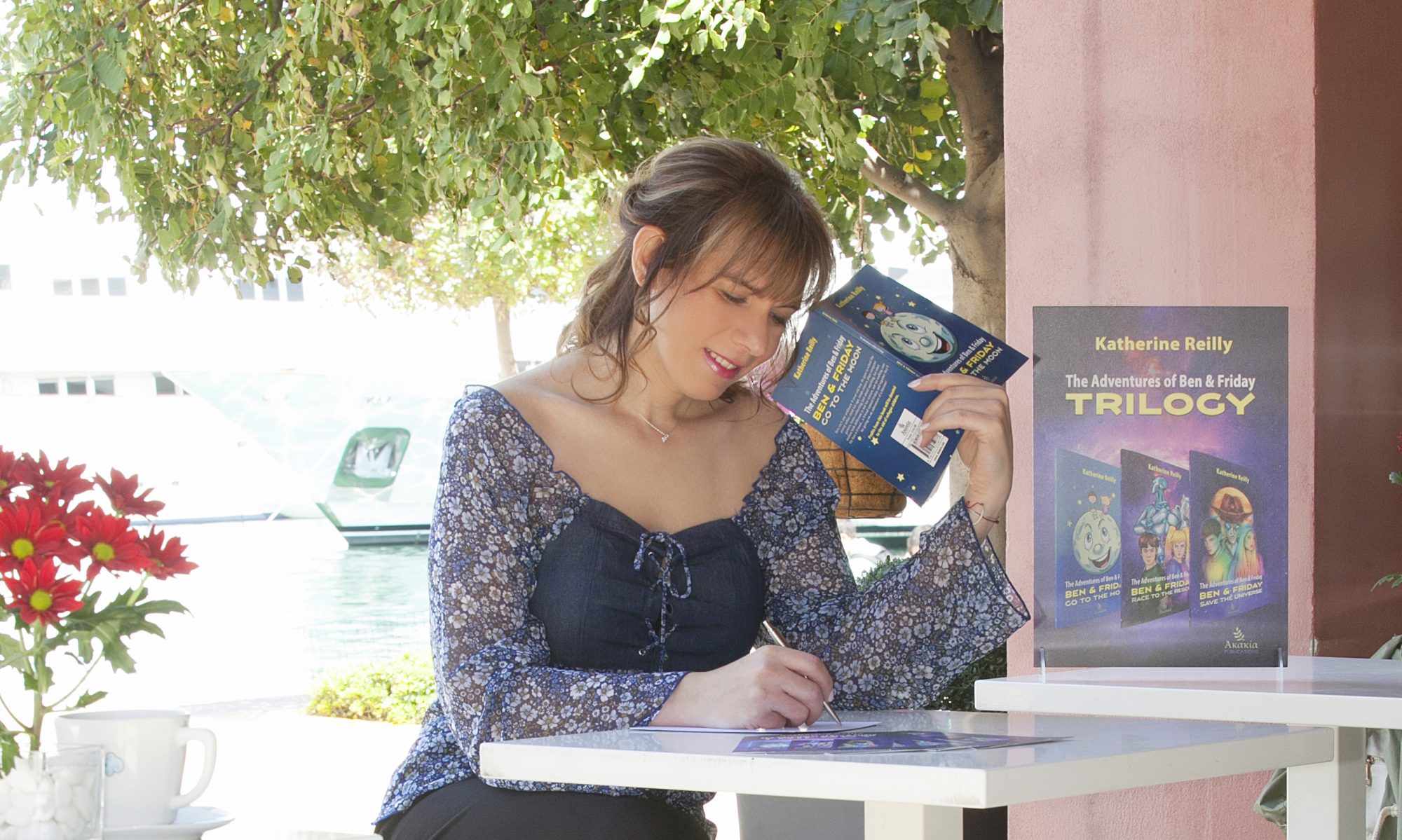

by Katherine Reilly
Throughout history, numerous methods of teaching have been adopted in class; the most controversial of which, ‘Rote Learning’. Why is this method of teaching despised by modern educators? Does it have any merits? Should it be abolished completely? Below, we will examine the aspects of this teaching method as well as evaluate the benefits of modern teaching techniques such as the development of critical thinking.
Most of you are probably wondering, “What is Rote Learning?” Simply put, it’s the memorization of information, based on repetition. All of us have had to more or less learn something by heart, be it for an exam or simple instructions needed to accomplish a specific task, after which, this information can be dismissed.

Scholars, rightfully so, condemn this method as it only offers the opportunity to pass an exam, without really understanding the meaning of it. To be more precise, memorizing dates and names for a History test, would mean nothing if the student hasn’t understood the significance of the historic individual’s contribution in question.
Other such examples could be found in foreign language teaching. There is no point in translating hundreds of words from one language to another if you can’t even use a single one of those words in a sentence. A student must learn the deeper meaning of a word, how it is used, its synonyms and above all, other forms it has. It is a widely known fact that mastering a language is the key to understanding other cultures and civilizations, an essential tool in our new global world.

Besides the aforementioned issues, another which is of great concern, is the ability to develop ‘critical thinking’ – perhaps THE most essential tool for survival in today’s world. Repetition and memorization of facts can only get you so far in school or the job market. If one has not the ability to face everyday challenges such as submitting a project for work before its deadline, or simply balancing your financial expenses at home, then the purpose of your education was a complete waste of your time and energies.
Critical thinking is a skill which must be fostered at school from the early years. A child must develop the ability to distinguish between two or more choices and in the long run, learn to think for himself. Self respect and confidence can be nurtured during this process, therefore, leading to an independent individual who can express his opinion, evaluate a situation and make informed choices based on the information given to him.

But it can’t be all bad now, can it? Does Rote Learning have any advantages? Unbeknownst to many, it actually does! Rote Learning in many ways is the basis of education.
Without Rote Learning, a student wouldn’t be able to learn to speak or make calculations. Memorization of phonics in reading, multiplication tables or even the periodic table in chemistry are all examples of the essential use of rote learning.
As for other daily uses of rote learning? Memorizing an address or phone number on the go is an everyday challenge we might face. Other examples include plays or speeches which require the memorization of such material.
In a nutshell, what is the most successful way of learning? Though rote learning has a few benefits, critical thinking is beyond a doubt, the most instrumental tool for the development and successful integration of an individual in society. The key to success is a harmonious balance between the two, resorting to rote learning only in cases of essential memorization while reaping the unlimited potential critical thinking has to offer.
Katherine Reilly
English Teacher
 Katherine Reilly
Children are creative by birth
School makes them stpid
A revaluation is require in schooling across the globe
LikeLike
The demonization of Rote Learning is to the detriment of our students. I work in a high school that has a 100% minority population, and well over half are from low-income families. I recently took a poll to find out how many of my students learned their multiplication tables, and how many learned or knew what phonics is. The results were quite alarming, with less than 40% learning multiplication tables, and less than 5% knew or learned phonics. The elimination of incorporating these two things into early education has resulted in multiple issues for most of my students. The overwhelming majority do not enjoy reading, are very reluctant to read, dislike math, can’t do simple addition, subtraction, multiplication, or division without a calculator. These skills are ones that we will continue to use throughout our lives, and they struggle with them. Knowing your multiplication tables not only enables you to arrive at an answer more quickly, it also allows you to recognize when you have made a mistake, especially when you have put in the numbers incorrectly on a calculator. The inability to sound out words, especially new words that students will encounter in their content classes, makes reading difficult, which oftentimes leads to comprehension issues.
Memorization is a skill, and if we do not teach, learn, practice, and utilize a skill, we can not get good at it.
LikeLiked by 1 person