Thank you TEDxUniveristyofPiraeus for such an amazing experience. I extend my deep gratitude to the TEDx team for their love and support.

Educational Blog
Thank you TEDxUniveristyofPiraeus for such an amazing experience. I extend my deep gratitude to the TEDx team for their love and support.

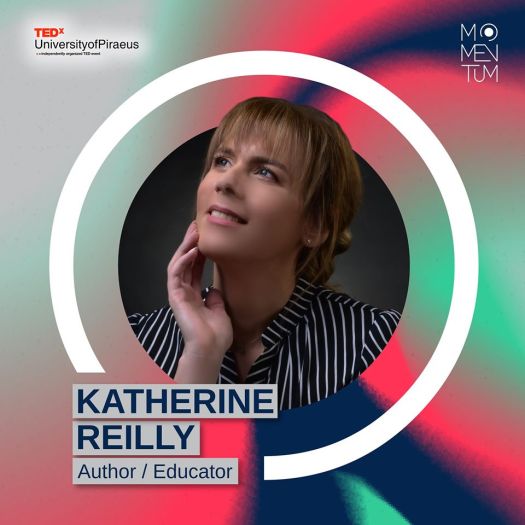
MOMENTUM – TEDxUniversityofPiraeus 2020.
Speech: “The True Meaning of Acceptance”.
Katherine Reilly will speak on behalf of TEDxUniversityofPiraeus. Speech will be streamed live on May 9th, 2020 on all TEDxUniPi Social Media Channels.
For more information, Visit the official TEDxUniPi page here!
Among trolling, moms and other interruptions, there are many things that can go wrong with an online class. What kind of student are you?
 Katherine Reilly